


Melasma Treatment in Orlando: What Actually Helps Those Stubborn Patches
Updated: Aug 11
If you've got blotchy brown or grey-brown patches across your cheeks, forehead, or upper lip that seem to fade and then come right back — you're likely dealing with melasma. And if it feels more stubborn than a regular sun spot, that's because it is.
Here's the honest picture: what melasma really is, why it's so persistent, and what genuinely helps — including the part most people get wrong.
Melasma isn't just "sun spots"
A sun spot is a single, well-defined mark from cumulative UV. Melasma is different — it's a deeper, patchier discoloration driven by a combination of triggers:
Hormones — pregnancy, birth control, and hormonal shifts are common triggers (it's sometimes called "the mask of pregnancy").
Sun and heat — not just UV, but visible light and even heat can reactivate it.
Genetics and skin tone — it's especially common in people with more melanin in their skin.
Because it's driven by more than the sun, melasma is famously prone to coming back — which is exactly why the approach matters so much.
Why melasma is so easy to make worse
This is the part that surprises people: some aggressive treatments can actually worsen melasma. Harsh lasers, overly strong peels, or too much heat can trigger the very pigment response you're trying to calm — and that risk is higher for deeper or tanned skin tones.
That's why melasma should never be a guessing game or a one-size-fits-all treatment. The goal is to calm and gradually improve the pigment, not to blast it.
What genuinely helps
There's no permanent "cure" for melasma — but it can be meaningfully managed and improved with the right, gentle, consistent plan. What that usually involves:
Daily sun protection, without exception. SPF 30+ every morning (and reapplication) is the foundation — the single most important habit. Without it, any treatment is working against the tide.
A gentle, gradual approach. Melasma responds best to steady, measured care rather than anything harsh.
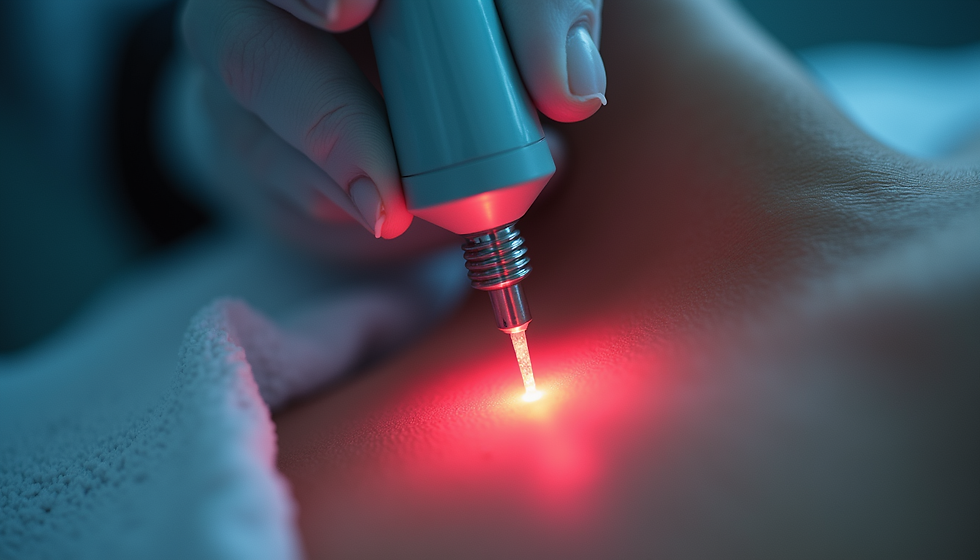
Aerolase laser — designed to be safe for every skin tone. This matters enormously for melasma, because so many lasers carry more risk for the deeper skin tones melasma often affects. Aerolase's gentle approach lets us work on pigment and tone with little to no downtime. Results vary, and it's one option among several your provider may consider.
Professional guidance on the whole picture — skincare, triggers, and realistic expectations, mapped to your skin.
What to be cautious about
DIY "brightening" routines and strong at-home acids can backfire and inflame melasma.
Chasing a "one and done" fix — melasma is a manage-over-time condition, not a single-treatment one.
Any provider who promises to "erase" it. Honest care sets honest expectations.
The realistic goal
Not a time machine — but calmer, clearer, more even-looking skin, and a plan to keep it that way. For a condition this individual, the right first step is a conversation about your skin, your triggers, and what's realistic for you.
At One Aesthetics in College Park, our providers can talk you through whether Aerolase, a gentle skin plan, or a combination makes sense for your melasma — all in a complimentary consultation, no pressure. Book your complimentary consultation — and in the meantime, put on your SPF.
Individual results vary. Melasma is a chronic condition that is managed rather than cured; this article is educational and not medical advice.

Comments