


Achieve Even Skin Tone with Laser Treatments for Skin Tone
If you’ve ever looked in the mirror and wished your skin tone was more even, you’re not alone. Uneven skin tone, dark spots, and pigmentation issues can affect anyone, and they often make us feel less confident. Luckily, modern laser treatments for skin tone offer a powerful solution to help you achieve a smoother, more radiant complexion. I’ve explored these treatments myself and learned a lot about how they work, what to expect, and why they might be the right choice for you.
Understanding Laser Treatments for Skin Tone
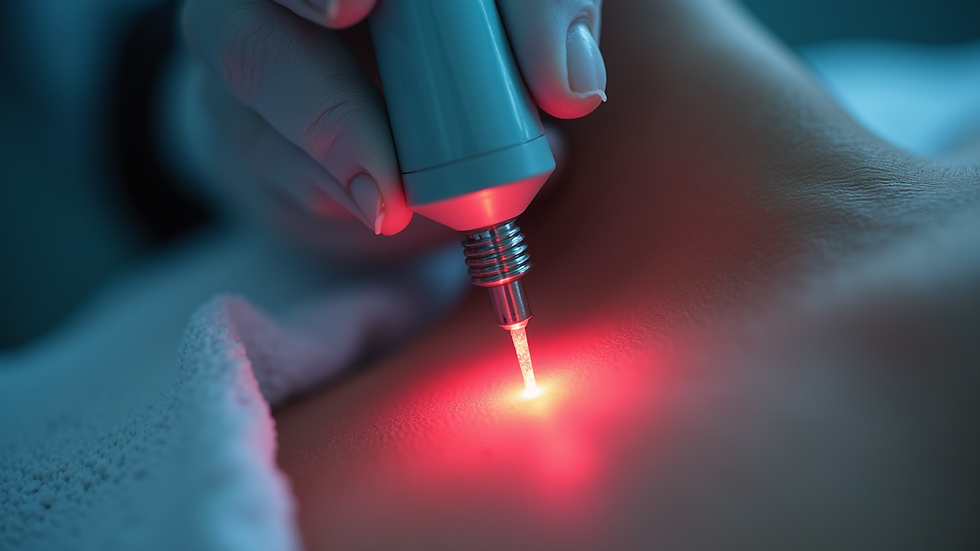
Laser treatments for skin tone are designed to target areas of discoloration, sun damage, and pigmentation irregularities. The technology uses focused light energy to break down excess melanin—the pigment responsible for dark spots and uneven patches—without harming the surrounding skin. This process encourages your skin to heal naturally, revealing a more uniform tone.
There are several types of lasers used in these treatments, including:
Fractional lasers: These create tiny columns of treated skin, promoting collagen production and skin renewal.
Q-switched lasers: Effective for breaking down pigment particles, especially in cases of hyperpigmentation.
Intense Pulsed Light (IPL): Not a laser technically, but often grouped with laser treatments, IPL targets pigmentation and redness.
Each option has its strengths, and a skilled practitioner will recommend the best one based on your skin type and concerns.
Is Laser for Pigmentation Worth It?
You might be wondering, “Is laser for pigmentation worth it?” The short answer: yes, but with some considerations. Laser treatments can deliver impressive results, especially for stubborn pigmentation that doesn’t respond well to topical creams or chemical peels.
Here’s why it’s worth considering:
Precision: Lasers target pigment specifically, minimizing damage to surrounding skin.
Speed: Many people see noticeable improvement after just a few sessions.
Long-lasting results: When combined with proper skincare and sun protection, results can last for months or even years.
Boosts skin health: Some lasers stimulate collagen, improving texture and firmness alongside tone.
However, it’s important to have realistic expectations. Multiple sessions may be needed, and some downtime or mild side effects like redness or swelling can occur. Also, laser treatments are not a one-size-fits-all solution. Skin type, pigmentation cause, and lifestyle factors all play a role in how effective the treatment will be.
How to Prepare for Your Laser Treatment
Preparation is key to getting the best results and minimizing side effects. Here’s what I recommend before your appointment:
Avoid sun exposure: Tanned or sunburned skin is more prone to complications. Use a broad-spectrum sunscreen daily for at least two weeks before treatment.
Skip certain skincare products: Stop using retinoids, exfoliants, and other strong active ingredients a few days before your session.
Discuss medications: Some medications can increase sensitivity or bleeding risk. Be sure to inform your provider about any prescriptions or supplements.
Stay hydrated and rested: Healthy skin heals better, so drink plenty of water and get a good night’s sleep.
Your provider will give you specific instructions tailored to your treatment plan. Following them closely helps ensure a smooth experience.

What to Expect During and After Treatment
During the procedure, you’ll wear protective eyewear while the laser technician carefully applies the laser to the targeted areas. You might feel a slight snapping or warming sensation, but most people tolerate it well. The session usually lasts between 20 to 45 minutes depending on the size of the area treated.
After treatment, your skin may look red or feel warm, similar to a mild sunburn. This typically subsides within a few hours to a couple of days. Here’s how to care for your skin post-treatment:
Keep skin clean and moisturized: Use gentle cleansers and hydrating creams.
Avoid direct sun exposure: Sunscreen is a must to protect your healing skin.
Don’t pick or scratch: Let any flaking or peeling happen naturally.
Follow your provider’s advice: They may recommend specific products or follow-up treatments.
Most people can return to their normal activities quickly, but it’s wise to avoid intense exercise or heat exposure for a day or two.
Why Choose Laser Treatments Over Other Options?
You might ask, “Why not just use creams or chemical peels?” While topical treatments can help, they often take longer and may not fully address deeper pigmentation issues. Chemical peels can improve skin texture and tone but might not be as precise as lasers.
Laser treatments offer several advantages:
Targeted action: Lasers can focus on specific spots without affecting the entire face.
Stimulate collagen: This helps improve overall skin quality, not just pigmentation.
Fewer treatments needed: Results often appear faster compared to other methods.
Customizable: Different lasers and settings can be adjusted for your unique skin needs.
That said, combining laser treatments with a good skincare routine and sun protection is the best way to maintain your results long-term.
Taking the Next Step Toward Even Skin
If uneven skin tone has been bothering you, laser treatments might be the game-changer you’ve been looking for. I found that consulting with a trusted medical spa that offers personalized care is essential. They can assess your skin, discuss your goals, and create a treatment plan that fits your lifestyle.
For those interested in a professional hyperpigmentation laser treatment, it’s worth reaching out to a reputable provider who understands the nuances of skin tone correction.
Remember, achieving even skin tone is a journey, not a quick fix. But with the right approach, you can enjoy a brighter, more balanced complexion that boosts your confidence every day.
Ready to take the first step? Your skin will thank you!

Comments